


Article
Engine Diagnostic Service
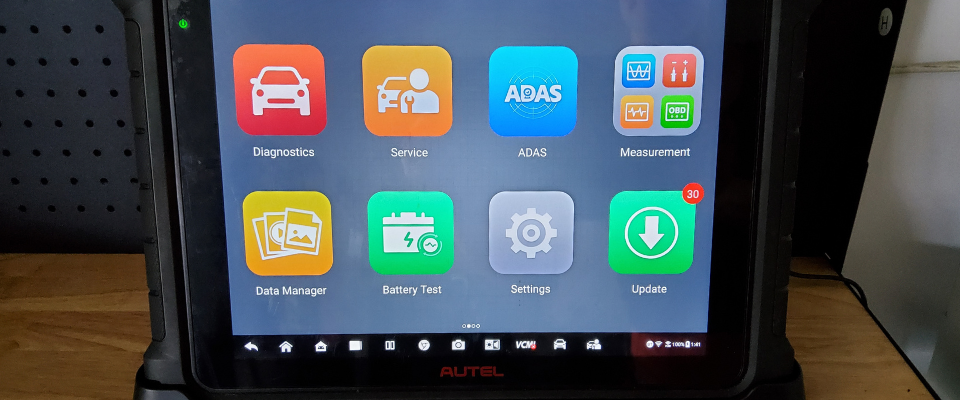
Palmerston Auto Repair Centre are experts in engine diagnostics using advanced technology to identify problems in your car...
Read moreModern diesel vehicles are incredibly capable, but they also rely on a complex combination of turbocharging systems, emissions controls and electronic management to operate properly. When one component begins to fail, it can quickly affect multiple systems and leave a vehicle with severe power loss and dashboard warnings.
Recently, Palmerston Auto Repair Centre in Palmerston carried out a detailed diagnosis and repair on a 2018 Toyota Hilux that arrived with extremely low power and a “DPF Full Visit Dealer” warning message displayed on the dashboard. The vehicle had travelled more than 250,000 kilometres and was regularly used in remote community conditions, meaning reliability was especially important for the owner.
The customer initially contacted the workshop after noticing the Hilux had become difficult to drive, with almost no usable power available during acceleration. Because diesel engine and DPF faults can sometimes be linked to several different systems, the first step was to confirm the symptoms and begin a structured diagnosis process.
After the vehicle arrived at Palmerston Auto Repair Centre, the technicians carried out an initial road test to verify the complaint. During the test drive, the low power condition was immediately confirmed. The vehicle was struggling to build boost pressure and performance was heavily restricted, which is common when the engine management system detects a serious fault.
The next stage involved connecting professional diagnostic equipment to scan the vehicle for stored fault codes. Several codes were present, including faults relating to turbocharger boost control, engine power reduction and excessive diesel particulate filter soot accumulation. The stored codes included:
Although the DPF-related codes were important, the technicians at Palmerston Auto Repair Centre understood that diesel particulate filter problems are often a symptom rather than the original cause. In many cases, insufficient turbocharger performance can lead to incomplete combustion and excessive soot production, eventually triggering DPF restrictions and warning messages.


With this in mind, attention was directed toward diagnosing the turbocharger control fault first.
The team began by inspecting the turbo actuator system. On this generation of Toyota Hilux, the variable nozzle turbocharger uses an electronic actuator to control turbo vane position and regulate boost pressure. If the actuator fails or cannot move correctly, engine performance can drop dramatically.
The turbo actuator electrical connector was removed and the wiring system carefully checked to ensure the circuit itself was functioning correctly. Power supply and earth integrity were confirmed as part of the testing process. Once the electrical side was verified, the actuator was commanded through various operating positions using advanced scan tool functions.
Despite the commands being sent, the turbo actuator failed to move.
At this point, it was important to determine whether the fault was caused by a seized turbocharger mechanism or an internal actuator failure. To isolate the problem further, the actuator rod was disconnected so the turbocharger vane mechanism could be manually checked. Fortunately, the turbo vanes themselves were moving freely, confirming the internal turbocharger mechanism had not seized.
This testing process allowed the technicians at Palmerston Auto Repair Centre to confidently identify the actuator assembly as the source of the fault.
Because the vehicle had travelled high kilometres and operated in demanding remote conditions, the workshop discussed the repair options with the customer. Rather than replacing only part of the assembly, it was recommended that a complete new turbocharger be supplied and fitted to improve long-term reliability and reduce the risk of future issues.
Once approval was received, the old turbocharger assembly was removed from the vehicle. Given the importance of lubrication and oil flow in turbocharger operation, new oil feed and oil drain lines were fitted during the installation process, along with all required gaskets and associated sealing components. A new MAP pressure sensor filter was also installed to ensure accurate boost pressure readings after the repair.
After the new turbocharger was fitted, the vehicle still required attention to the diesel particulate filter system. Because the turbo fault had caused excessive soot accumulation, the DPF had become heavily loaded and required regeneration.
Using specialised diagnostic equipment, the technicians at Palmerston Auto Repair Centre carried out a forced DPF burn procedure under controlled workshop conditions. This process allows exhaust temperatures to increase sufficiently to burn away accumulated soot within the particulate filter. Due to the high temperatures involved and the need for live data monitoring, this procedure should only be carried out by qualified technicians using the correct equipment.
Once the regeneration process was completed successfully, the Hilux underwent multiple extended road tests to confirm the repair outcome. During testing, full engine power returned and turbocharger performance operated normally across the rev range.
Following the test drives, the vehicle was scanned again for fault codes. No codes were present, confirming the repair had been successful and all systems were operating correctly.
This repair highlights the importance of proper diagnostic procedures when dealing with diesel engine faults. While the dashboard warning initially focused on the DPF system, the root cause was actually linked to turbocharger actuator failure. Replacing components without accurate testing can easily lead to unnecessary repairs and ongoing issues.
At Palmerston Auto Repair Centre, every diagnosis is approached systematically to identify the underlying cause before repairs begin. Whether it involves turbocharger faults, DPF issues, engine management problems or low power complaints, the team uses professional diagnostic equipment and proven testing procedures to deliver reliable results for drivers throughout Palmerston and surrounding areas.
If your diesel vehicle is showing warning lights, suffering from low power or displaying DPF-related messages, arranging an inspection early can often help prevent more serious damage and costly repairs later on.
Palmerston Auto Repair Centre are experts in engine diagnostics using advanced technology to identify problems in your car...
Read more
Discover the importance of regular diesel vehicle servicing for optimal performance and longevity. Learn how professional maintenance can keep you safe on Australian roads...
Read more
Learn how to boost your vehicle's performance and fuel efficiency with proper care and regular servicing of your EFI system. Stay informed about common EFI issues and their fixes.
Read more